🧐 Why Turborepo?
Managing multiple microfrontends within a monorepo can be challenging. Turborepo offers a powerful solution to optimize workflows, run tasks in parallel, and cache results for faster builds.
Parallel Tasks: Run builds and tests across multiple microfrontends simultaneously.
Intelligent Caching: Save time by reusing outputs from previous runs.
Scalable: Manage as many microfrontends as needed, all within a single monorepo. If you're working with multiple apps, Turborepo is a game-changer for streamlining your workflows.
Here's how you can set up and use Turborepo in your project:
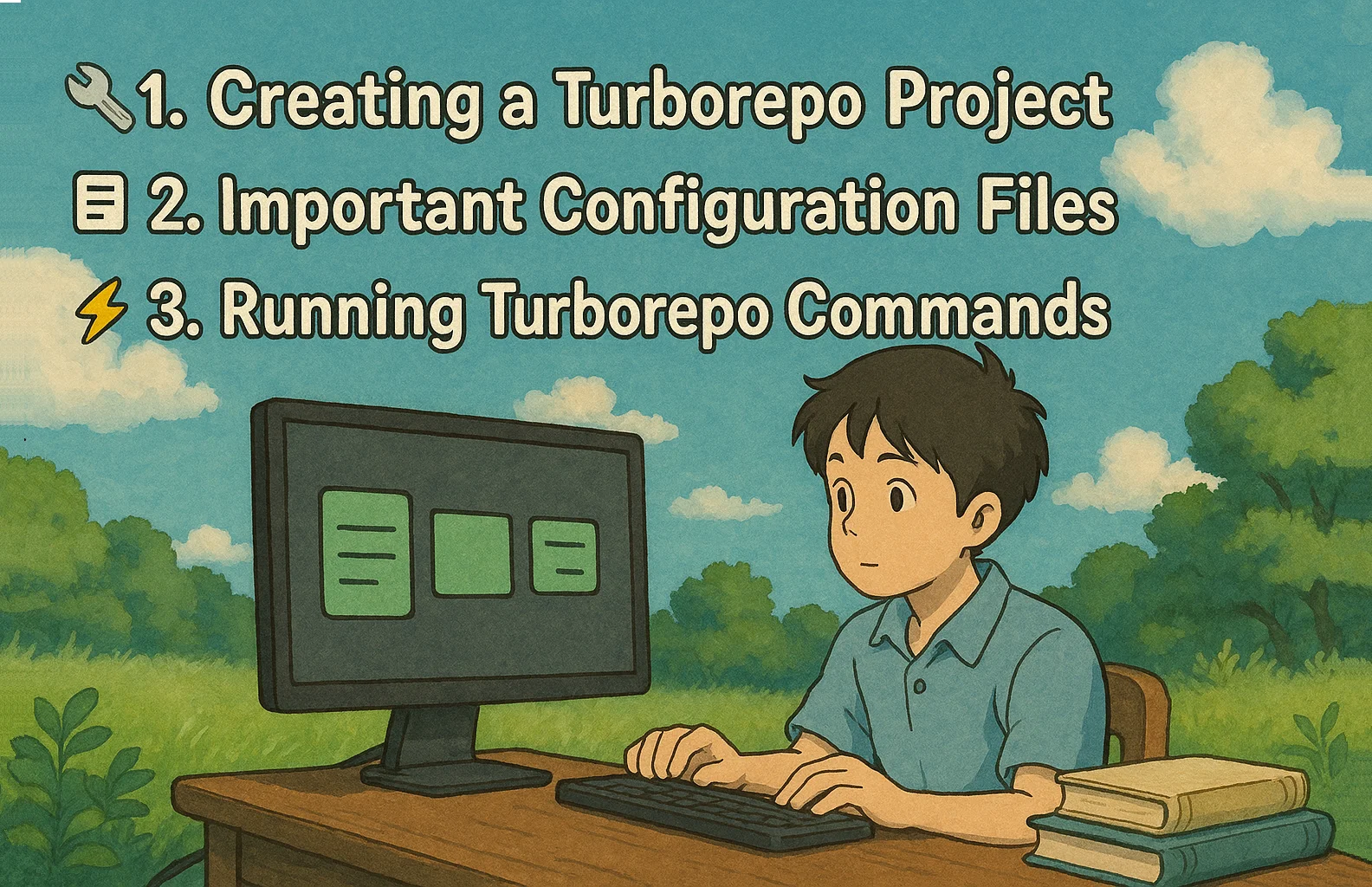
🔧 1. Creating a Turborepo Project
1.1 Create a New Turborepo Project:
Instead of manually setting up Turborepo, you can use the following command to quickly scaffold a new Turborepo:
npx create-turbo@latest
1.2 Place your microfrontends inside the apps directory:
apps/
 ├── mfe1/
 ├── mfe2/
 └── mfe3/
package.json
turbo.json
📄 2. Important Configuration Files
package.json defines your scripts, dependencies, and workspace structure
turbo.json configures how tasks are run across your monorepo. It also includes caching settings to speed up subsequent runs.
⚡ 3. Running Turborepo Commands
After setting up Turborepo, you can easily manage all apps and packages with a few simple commands:Install dependencies:
npm i
Build all apps and packages:
npm run build
Start the development environment:
npm run dev
Run any of these commands once, and Turborepo will use its smart caching to speed up subsequent builds.

Give it a try in your next project and experience the efficiency firsthand! 😍😍